Moisture-Resistant Wallpaper: Best Options for Bathrooms and Kitchens
Wallpaper in bathrooms and kitchens was once considered impractical due to moisture damage concerns.
Modern wallpaper technology has changed this reality, with specialised products now offering beautiful design options that withstand humid environments. Sydney homeowners no longer need to choose between the aesthetic appeal of wallpaper and the practical demands of wet areas. Understanding which moisture-resistant wallpaper types suit different applications helps you select products that deliver lasting beauty without premature failure from steam, splashes, or condensation.
Why Traditional Wallpaper Fails in Wet Areas
Traditional wallpaper struggles in bathrooms and kitchens because most products were never designed to handle sustained moisture exposure. Understanding these failure mechanisms helps you appreciate why specialised moisture-resistant options are essential for wet area applications rather than optional upgrades.
Paper-based wallpapers absorb moisture like sponges. Standard wallpaper consists of a paper substrate with printed designs, making it inherently hygroscopic. When bathroom steam or kitchen moisture contacts the paper, it absorbs water and expands. As the paper dries, it contracts again. These repeated expansion and contraction cycles stress the adhesive bond between the wallpaper and the wall. Over weeks and months, edges begin lifting, seams separate, and bubbles form as the adhesive fails. Eventually, entire sections peel away from walls, requiring complete removal and replacement.
Paste deterioration accelerates in humid conditions. The adhesive holding wallpaper to walls is typically starch-based or cellulose-based, both organic materials that degrade when constantly damp. Moisture allows mold and mildew to colonise the paste, breaking down its structure and destroying bonding strength. Even if the wallpaper face remains visually intact, paste failure causes the paper to sag, wrinkle, or fall away completely. Bathrooms without adequate ventilation experience this deterioration particularly quickly, sometimes within months of installation.
Printed designs on standard wallpaper are not waterproof. Many traditional wallpapers use water-based inks that can run, smear, or fade when exposed to moisture. Steam condensing on wallpaper surfaces or splashes from sinks can cause colours to bleed, creating unsightly stains and ruining patterns. Even wallpapers that resist direct water exposure may fade over time from the UV light often present in bathrooms with windows, compounding moisture-related deterioration.
Mold and mildew growth thrives in the conditions traditional wallpaper creates. The paper backing, organic paste, and trapped moisture between the wallpaper and wall provide ideal conditions for fungal growth. Mould appears as black, brown, or green spots that spread across the wallpaper surface and penetrate behind it. Beyond aesthetic damage, mould creates health concerns, particularly for people with allergies or respiratory sensitivities. Once established, mould is difficult to eliminate without complete wallpaper removal and wall treatment.
Temperature fluctuations compound moisture problems. Bathrooms and kitchens experience rapid temperature changes as hot water runs or cooking occurs. These temperature swings cause condensation to form on cool surfaces, including walls covered with traditional wallpaper. The condensation saturates the paper, creating all the problems described above. Areas behind showers, near cooktops, and around kettles experience particularly severe conditions that destroy traditional wallpaper within months.
Types of Moisture-Resistant Wallpaper
Several distinct wallpaper technologies offer moisture resistance suitable for bathroom and kitchen applications. Each type has specific characteristics, advantages, and ideal use cases that help you select the best option for your particular situation and design preferences.
Vinyl wallpaper represents the most common moisture-resistant option. This category includes several subtypes, but all feature vinyl coating or construction that provides water resistance. Vinyl-coated wallpaper has a paper substrate with a thin vinyl layer on the surface. Solid vinyl wallpaper consists entirely of vinyl material laminated to a fabric or paper backing. Heavy-duty vinyl uses thick vinyl layers that offer maximum durability. These vinyl surfaces shed water effectively, preventing moisture penetration to the substrate and adhesive beneath. Vinyl wallpapers work well in most bathroom and kitchen applications, though their suitability varies by specific moisture exposure levels.
Non-woven wallpapers
Non-woven wallpapers use synthetic fibres rather than paper as their base material. These fibres, typically polyester, do not absorb water like paper does. Non-woven wallpapers maintain dimensional stability even when wet, meaning they do not expand or contract with moisture exposure. This stability prevents the seam separation and bubbling common with paper-based products. Many non-woven wallpapers also feature vinyl surfaces for additional moisture protection, combining two technologies for maximum wet area performance. The synthetic backing also allows paste-the-wall installation, simplifying the hanging process.
Vinyl-coated fabric
Vinyl-coated fabric wallcoverings offer commercial-grade durability. These products use woven or non-woven fabric backing with heavy vinyl coating on the surface. Originally developed for hospitality and healthcare settings, these wallcoverings withstand heavy use and moisture exposure that would destroy residential-grade products. The thick construction resists damage from impacts and abrasion while providing excellent moisture barrier properties. These products cost more than standard vinyl wallpapers but offer unmatched durability for high-use areas.
Washable wallpapers
Washable wallpapers specifically designed for wet areas incorporate multiple protective features. These specialised products combine moisture-resistant substrates with waterproof surface coatings and mould-resistant treatments. Some include anti-fungal additives that prevent mould colonisation even in consistently damp conditions. The waterproof surface allows you to wipe the wallpaper clean with a damp cloth without damage, which is essential for kitchens where splashes and grease are inevitable. Look for products explicitly labelled as suitable for bathrooms or kitchens rather than just “washable”, as standards vary.
Speciality marine and exterior-grade
Speciality marine and exterior-grade wallcoverings provide maximum moisture protection. These industrial products were designed for boat interiors, outdoor applications, or extreme commercial environments. They feature completely waterproof construction that can withstand direct water spray and sustained high humidity. While overkill for most residential bathrooms, these products suit shower surrounds, splashback areas behind sinks, or commercial settings requiring maximum durability. Their limited design options and higher costs restrict their use primarily to situations where standard moisture-resistant wallpapers prove inadequate.
Selecting Wallpaper for Specific Bathroom Zones
Bathrooms contain distinct zones with dramatically different moisture exposure levels. Understanding these zones and selecting appropriately rated wallpaper for each ensures your
installation lasts without premature failure.
Shower surrounds and wet walls require maximum moisture protection. These areas experience direct water spray and constant high humidity. Only heavy-duty vinyl wallcoverings, speciality marine-grade products, or purpose-made wet-area wallpapers should be used here. Even with appropriate products, installation must include proper wall sealing, careful seam placement away from direct spray, and silicone sealing at all edges and penetrations. Many professionals recommend against wallpaper in shower surrounds entirely, preferring tiles or waterproof panels that offer absolute protection. If you do wallpaper these areas, understand that even the best products may require replacement sooner than other bathroom zones.
Areas within splash zones near sinks, tubs, and showers need solid vinyl or better. Splashback areas receive regular water contact from handwashing, bathing, and general bathroom use. Solid vinyl wallpaper provides adequate protection for these zones when properly installed. Vinyl-coated paper is insufficient, as the thin coating will eventually allow moisture penetration. Ensure installations in these areas use appropriate waterproof adhesive and that seams are positioned away from areas receiving the most splash exposure. Consider silicone sealing along the bottom edge where wallpaper meets tiled areas or fixtures.
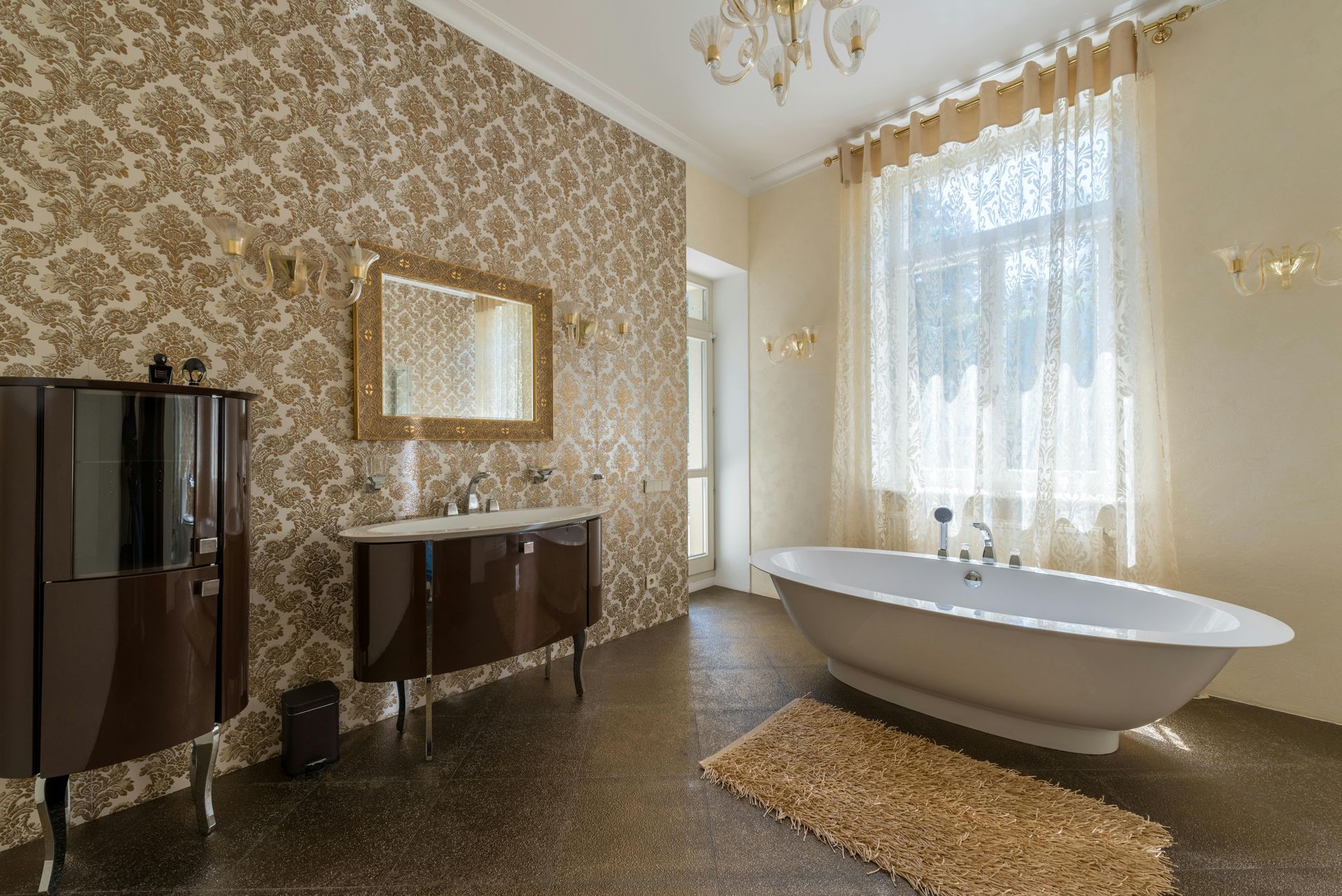
General bathroom walls away from direct water contact suit most moisture-resistant wallpapers. The walls opposite showers, above towel rails, or on opposite walls from sinks experience steam and humidity but minimal direct water contact. These areas accommodate solid vinyl, non-woven with vinyl coating, or even high-quality vinyl-coated papers. Selection here depends more on your design preferences and budget than on extreme performance requirements. Adequate bathroom ventilation becomes more important in these zones, as it prevents the sustained high humidity that causes even moisture-resistant wallpapers to eventually fail.
Ceiling applications require special consideration. Bathroom ceilings experience maximum steam exposure as hot air rises and condenses on cool ceiling surfaces. Wallpapering ceilings is more challenging than walls, and moisture exposure complicates this further. If you do wallpaper bathroom ceilings, use only heavy-duty moisture-resistant products and ensure excellent adhesive coverage to resist the gravity working against adhesion. Many experts
recommend paint or specialized ceiling panels instead of wallpaper for bathroom ceilings due to these challenges.
Powder rooms and half-bathrooms tolerate less robust wallpaper options. These spaces lack showers or baths, experiencing only humidity from handwashing. This reduced moisture exposure allows you to use a wider range of wallpaper types, including vinyl-coated papers that would fail in full bathrooms. While still choosing washable options makes sense for practicality, you gain more design flexibility in powder rooms where moisture resistance requirements are less demanding.
Kitchen Wallpaper Applications and Challenges
Kitchens present different challenges than bathrooms, with splashes, grease, and heat creating specific requirements for wallpaper selection and placement. Understanding these kitchen-specific considerations ensures successful installations.
Backsplash areas behind cooktops require heat-resistant moisture protection. These zones experience splashing water, hot oil splatters, steam, and direct heat radiation from cooking surfaces. Only heavy-duty vinyl wallcoverings designed for commercial kitchens should be used here, if wallpaper is used at all. The combination of moisture, grease, and heat exceeds the capabilities of standard moisture-resistant wallpapers. Many designers recommend reserving wallpaper for areas away from cooktops, using tiles or glass splashbacks in cooking zones where practical considerations trump aesthetic preferences.
Sink splashback areas need solid vinyl with grease resistance. While water is the obvious concern, kitchen sink areas also accumulate grease from food preparation and washing. Wallpaper here must not only resist moisture but also allow cleaning of grease deposits without damage. Solid vinyl wallpapers with smooth surfaces clean most effectively, while textured or porous surfaces trap grease and become progressively dirtier. Consider the practical reality of kitchen use when selecting patterns, as busy designs hide marks better than solid colours that show every splash and stain.
Dining areas and walls away from work zones offer more wallpaper flexibility. Kitchen walls that do not face direct moisture or cooking exposure can use standard moisture-resistant wallpapers selected primarily for aesthetic reasons. These areas might include walls behind dining tables, peninsula ends, or accent walls that define eating areas separate from cooking zones. While choosing washable wallpapers still makes sense for kitchen applications, the reduced exposure in these zones allows broader product selection based on design preferences.
Ventilation adequacy affects wallpaper survival in kitchens. Kitchens generate substantial moisture and grease-laden air during cooking. Range hoods and ventilation fans that effectively remove this moisture dramatically improve conditions for wallpaper longevity. Kitchens with poor ventilation experience accelerated wallpaper deterioration regardless of product quality. Before committing to kitchen wallpaper, ensure your ventilation system adequately removes moisture and that you use it consistently during cooking. Improving ventilation may prove a better investment than repeatedly replacing failed wallpaper.
Grease resistance becomes as important as moisture resistance in kitchen applications. Many moisture-resistant wallpapers that perform well in bathrooms fail in kitchens because they absorb grease that proves impossible to clean. Smooth vinyl surfaces resist grease absorption and allow cleaning with kitchen degreasers. Textured or fabric-backed surfaces trap grease particles even if they resist moisture. When selecting kitchen wallpapers, specifically verify they are rated for kitchen use rather than just bathrooms, as kitchen ratings indicate grease resistance that bathroom-only products may lack.
Installation Best Practices for Wet Areas
Proper installation techniques critically influence moisture-resistant wallpaper longevity. Even the best products fail when incorrectly installed, while appropriate techniques ensure maximum performance from your wallpaper selection.
- Surface preparation begins with moisture testing. Before wallpapering bathrooms or kitchens, verify that walls do not have existing moisture problems. Tape plastic sheets to walls for 24 hours, then check for condensation underneath. Moisture appearing indicates wall dampness that will prevent proper adhesion and promote mould growth. Address moisture sources before proceeding with wallpaper installation. This might involve fixing leaks, improving ventilation, or installing vapour barriers. Wallpapering over damp walls guarantees failure regardless of product selection.
- Wall sealing with appropriate primers creates proper substrate conditions. Moisture-resistant primers seal porous surfaces, prevent moisture migration from the wall into adhesive layers, and provide consistent surfaces for adhesive bonding. Products designed for bathrooms and kitchens typically include mould inhibitors that provide additional protection. Apply primer according to manufacturer specifications, typically requiring 24 hours drying time before wallpaper installation. This step is essential, not optional, for wet area applications.
- Adhesive selection must match wallpaper type and application conditions. Heavy-duty vinyl adhesive formulated for moisture-resistant wallpapers provides stronger bonds than standard paste. Follow manufacturer recommendations for specific wallpaper products, as requirements vary. Mix the adhesive to the proper consistency and allow the recommended standing time before application. For paste-the-wall applications with non-woven wallpapers, ensure even adhesive coverage without gaps that could allow moisture infiltration. Excessive adhesive that squeezes from seams must be wiped away immediately before it dries.
- Seam placement strategy minimises failure risk. Position seams away from areas receiving direct water exposure when possible. In bathrooms, avoid seams directly behind sinks or in shower splash zones. Ensure seams are tightly butted together without gaps, as any opening allows moisture penetration that will progressively separate the seam. Roll seams firmly with a seam roller after installation to maximise adhesive contact and bonding. Some installers apply thin beads of clear silicone in seams in extremely wet areas, though this prevents future wallpaper removal.
- Edge sealing at critical junctions protects vulnerable points. Where wallpaper meets tiles, fixtures, or trim, apply thin beads of clear silicone caulk to seal edges against moisture infiltration. This is particularly important along bottom edges where water might wick upward into the wallpaper backing and around sink edges, where splashes are frequent. Use paintable silicone if you plan to paint trim, or clear silicone that remains invisible. Do not use caulk as a substitute for proper adhesive, only as supplemental protection at vulnerable edges.
Conclusion
Moisture-resistant wallpaper technology has advanced dramatically, making bathrooms and kitchens viable applications for homeowners who value wallpaper’s decorative possibilities. Vinyl wallpapers, non-woven products, and specialised wet-area wallcoverings now provide reliable moisture protection when selected appropriately for specific exposure levels. Understanding the difference between splash zones requiring heavy-duty products and general wall areas where standard moisture-resistant wallpapers suffice helps you specify the right product for each application. Proper installation using appropriate primers, adhesives, and sealing techniques ensures that quality moisture-resistant wallpapers deliver 7 to 12 years of beautiful service in demanding wet area conditions.
Success with bathroom and kitchen wallpaper depends equally on product selection, installation quality, and ongoing maintenance. Adequate ventilation, regular cleaning, and prompt attention to any lifting or damage prevent minor issues from escalating into premature failure. While moisture-resistant wallpaper costs more than paint initially, it provides decorative possibilities that paint cannot match, creating personalized spaces with pattern, texture, and visual interest. For Sydney homeowners undertaking bathroom or kitchen renovations, modern moisture-resistant wallpapers offer practical solutions that combine durability with design flexibility, transforming functional wet areas into attractive spaces that reflect personal style without sacrificing long-term performance.
About That Wallpaper Guy
That Wallpaper Guy provides professional wallpaper installation services throughout Sydney, specialising in both residential and commercial applications. With extensive experience in moisture-resistant wallpaper installation for bathrooms, kitchens, and other wet areas, they ensure proper product selection, surface preparation, and installation techniques that maximise longevity in challenging environments. Their team works with all major wallpaper brands and types, from traditional papers to modern moisture-resistant products, delivering quality results that transform spaces. That Wallpaper Guy offers consultation services to help homeowners select appropriate wallpapers for their specific applications, complete installation from preparation through finishing, and expert advice on maintaining wallpapered surfaces for lasting beauty.
Moisture-Resistant Wallpaper: Best Options for Bathrooms and Kitchens
November 17, 2025